
"coffee mucilage"
300 article(s) found

Grinding scale Flavor description of Coffee beans treated with Guatemalan Honey
Grinding scale Flavor description of Guatemalan Honey Coffee beans Water shampoo is the most common way to deal with Arabica coffee beans in most coffee-producing countries in the world. Some areas also use advanced high-pressure washing machines to clean the peel, pulp and mucous membrane of coffee beans, so fermentation is no longer needed. This method of using a high-pressure washing machine to treat coffee beans is called
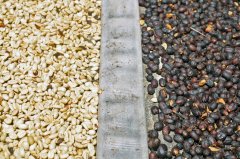
What is honey-treated Honey Processing? What is the flavor of coffee beans treated with honey?
Professional coffee knowledge exchange more coffee bean information please pay attention to the coffee workshop (Wechat official account cafe_style) pulp treatment refers to what honey treatment changed the raw bean treatment which step coffee treatment is divided into washing, sun and honey treatment, have you ever thought that honey treatment is related to honey? After understanding it, we will know that the honey treatment method is different from

Explain the steps of wet treatment after coffee picking
As the harvest season is almost over, I would like to add an overview of the coffee processing process. In this blog post, I will introduce to you the steps of wet treatment in Yunnan after coffee picking. After harvest, the berries are either sent directly to the pulp collector (if the harvest is done well), or concentrated in a siphon tank filled with water. The berries are here.

What is the difference in flavor and taste between water washing and sun treatment of coffee beans?
The difference in flavor and taste between washed and tanned coffee beans lies in where the peel and Skin/Pulp are: the outermost layer of the coffee bean is covered with berry-like skin and pulp. In addition to the natural sun method, coffee beans treated by other methods must remove the skin and flesh within a few hours after picking. It is similar to the cherries we often eat, but the difference is that we are in

Treatment methods of coffee beans after picking wet treatment steps
As the harvest season is almost over, I would like to add an overview of the coffee processing process. In this blog post, I will introduce to you the steps of wet treatment in Yunnan after coffee picking. After harvest, the berries are either sent directly to the pulp collector (if the harvest is done well), or concentrated in a siphon tank filled with water. The berries are here.

Introduction to Coffee planting and Primary processing of Ethiopian species and characteristics of Manor
Characteristics of Coffee cultivation and Primary processing in Ethiopia ET has long been one of the top ten coffee producing areas in the world, and is a pioneer in Africa. ET has a federal department, the coffee and tea Authority, that specializes in coffee and tea-related matters, such as setting purchase prices for washing plants. ET produces a lot of coffee, but it is different from other producing countries.

Brazilian yellow bourbon suitable for grinding thick and thin queen manor coffee bean flavor description
The thick and thin Queen's Manor Coffee Bean Flavor description Cerrado is an area where Cerrado coffee beans are treated by the traditional Brazilian method of pulp natural drying (Pulped Natural). Since coffee beans are dried together with peel pulp (Pulp) and pectin (Mucilage), they retain high organic, mineral and soluble solids.

The process of processing and fermentation of Ethiopian coffee by washing
The process of fermentation by washing coffee in Ethiopia honey treatment is used in almost all the producing areas of Costa Rica. This method is also widely spread throughout Central America. Because the surface mucosa of coffee beans is extremely sticky and smooth and the sugar content is extremely high, it is often called honey. In the process of honey treatment, coffee will leave some or all of the honey when it is dried. Coffee fruits have been picked, graded and

Coffee cultivation and initial processing of Ethiopian Coffee characteristic species manors in producing areas
Coffee cultivation and primary processing characteristics of Ethiopian coffee-producing areas manor sun treatment is very demanding on the climate, if you encounter a rainy day in the sun process, it will make the beans moist and moldy. When drying raw beans in the sun, the color is yellow, and the center will be brown after baking, rather than the white of washed beans. Sun-dried beans have relatively better sweetness and mellow thickness, and sour taste

What is the effect of coffee honey in treating coffee honey?
Skin/Pulp: the outermost layer of coffee beans is covered with berry-like skin and pulp. In addition to the natural sun method, coffee beans treated by other methods must remove the skin and flesh within a few hours after picking. Similar to the cherries we often eat, the difference is that when we eat cherries, we mainly eat the pulp and peel of berries. For coffee.

Description of Ethiopian Flavor in Coffee planting and Primary processing introduction of varieties produced by taste treatment
Coffee cultivation and initial processing description of Ethiopian flavor, taste treatment, regional variety introduction what is Ethiopia like? In the endless African prairie, a group of casual zebras are bowing their heads to graze, while in the lush primeval forest, a group of noisy monkeys are playing in the trees and are embarrassed to go to the "animal world". No, no, no. no, no, no. Get to know Esther.

A brief introduction to the taste treatment method of the difference between washing and solarization of Kenyan coffee
There are two types of coffee farms in Kenya, one is a large planting farm covering an area of more than five acres, but the average elevation is low, as far as Kenyan coffee is concerned, the coffee bean quality of the big farm is only medium. The best Kenyan beans come from small farms, mostly in the foothills or fire above 5,000 to 6,000 feet.

Description of Flavor of Coffee beans treated with Solar Water and Honey
Description of flavor of coffee beans treated with sun water and honey 1. Selection of beans: put the harvested fruits in a sink filled with water and soak for about 24 hours. At this time, ripe fruit will sink, while immature and overripe fruit will float up and can be removed. 2. Remove the pulp: use a machine to remove the skin and pulp, leaving only the coffee beans wrapped in the endocarp. At this time

Guatemala & #12539; Vivette South Fruit region Ladisha Manor Coffee production area Flavor introduction
The Huitz Matig Manor in the South Fruit region of Vivette, Guatemala, won the first place in COE in 2005. At the time of harvest, half of it is still in harvest. The manor is located deep in the mountains and has no access to electricity. Therefore, the use of mountain springs, self-hydro power to refine coffee. The use of water flow for specific gravity separation, the use of hydraulic power will be with pulp, mucilage seeds to improve dry hair

Introduction to the Flavor and Taste characteristics of Coffee Manor in Guatemala
The Huitz Matig Manor in the South Fruit region of Vivette, Guatemala, won the first place in COE in 2005. At the time of harvest, half of it is still in harvest. The manor is located deep in the mountains and has no access to electricity. Therefore, the use of mountain springs, self-hydro power to refine coffee. The use of water flow for specific gravity separation, the use of hydraulic power will be with pulp, mucilage seeds to improve dry hair

Good mellow natural washing coffee washing processing method step by step processing method
1 Skin/Pulp: the outermost layer of the coffee bean is covered with berry-like skin and pulp. In addition to the natural sun method, coffee beans treated by other methods must remove the skin and flesh within a few hours after picking. Similar to the cherries we often eat, the difference is that when we eat cherries, we mainly eat the pulp and peel of berries. For coffee.

Introduction to the treatment of Coffee Soybean Honey introduction of three major treatment methods of coffee beans
We know that the three treatment methods of raw coffee beans can be divided into three types. The distinction between each method is based on the fact that several layers of matter are removed from the fruit before the coffee is dried. The following is a list of the three major processing methods: 1. Natural sun treatment: retain all substances 2. Honey treatment: remove the peel and pulp and retain part or all of the mucous membrane (honey) 3. Washing method

Description of Flavor of Coffee beans treated by Water washing and Solar treatment varieties of Grinding scale
Flavor description of coffee beans treated by washing method and sun treatment variety introduction of grinding scale 1, bean selection: put the harvested fruit in a sink filled with water and soak for about 24 hours. At this time, ripe fruit will sink, while immature and overripe fruit will float up and can be removed. 2. Remove the pulp: use a machine to remove the peel and pulp, leaving only the coffee wrapped in the endocarp.

Description of Taste and Flavor of Coffee and Bean washing method introduction to Grinding and Calibration treatment of varieties in producing areas
Coffee bean washing method to describe the taste and flavor of the variety producing area grinding scale treatment method introduces that the mucous membrane has strong adhesion and is not easy to remove. It must be placed in the trough for about 18-36 hours to make it mellow and decompose the mucous membrane. There are two methods of fermentation, namely wet hair alcohol and dry hair alcohol, as the name implies, the former adds water, the latter does not add water. In the process of getting mellow, the seeds and internal pulp will be produced.

Description of coffee flavor in Incht Manor, Guatemala introduction to the taste of boutique coffee beans
The Huitz Matig Manor in the South Fruit region of Vivette, Guatemala, won the first place in COE in 2005. At the time of harvest, half of it is still in harvest. The manor is located deep in the mountains and has no access to electricity. Therefore, the use of mountain springs, self-hydro power to refine coffee. The use of water flow for specific gravity separation, the use of hydraulic power will be with pulp, mucilage seeds to improve dry hair